We often think of decay as an ending. A fading. The final act before something disappears. But from a biological and ecological perspective, decay is not just the aftermath — it’s the beginning of something richly transformative. Where we see rot, nature sees opportunity. Where we sense absence, ecosystems burst into presence.
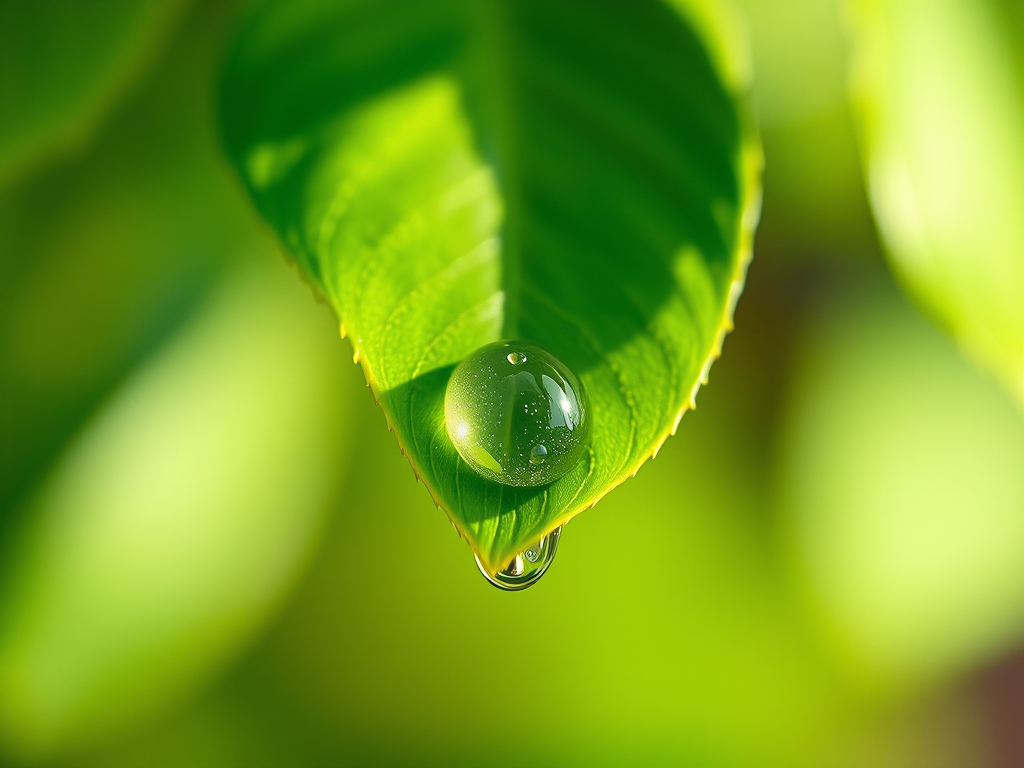
A single fallen leaf offers a case study. Once brilliant green, it yellows, reds, bronzes — each hue the result of enzymes breaking down chlorophyll and revealing hidden pigments: anthocyanins, carotenoids. The leaf begins to curl, its tissues softening, welcoming colonies of decomposers: fungi, bacteria, tiny insects. A microcosm of life feeds on what was once photosynthetic flesh.
And what lives on that decay? Springtails, earthworms, beetle larvae. These become food for robins, foxes, owls. The leaf is no longer a leaf, but a portal of transfer — matter into matter, life into life.
Zoom out. A wasteland. A scrubby patch left behind after a building falls or a lot is abandoned. Nature doesn’t wait. Foxes arrive first — scavengers of the city, creatures of edge habitats. Then come the plants: mosses, birch, willowherbs. The air changes. Litter is slowly replaced by lichen. The land begins to speak again. Decay isn’t silence — it’s succession.
Decay as Design
Even in places we associate with finality, like gravestones, decay makes its art. Lichens — symbiotic pairs of fungi and algae — speckle grey slabs with yellows, oranges, and eerie blues. Each lichen tells of air quality, moisture, shade. Even death becomes decorated.
Some fruits mimic decay as a survival strategy. Take the necrotic mimicry found in certain figs or passionflowers — where their bruised, blotched skin attracts insects precisely because it appears already gone. Decay isn’t just real — it’s performed.
In this way, nature reclaims aesthetics from human ideas of perfection. It shows us how beauty lies in change — not in permanence.
Disease: Not Just Destruction
Decay and disease are often linked — but not always synonymous. A fungal infection, like athlete’s foot, causes inflammation, flaking, discomfort. Yet zoom in, and you see a war of enzymes, host responses, microbiome rebalancing. What looks like a nuisance is also a living system, struggling for equilibrium.
In plants, parasitic infections like mistletoe cling to trees, extracting water and nutrients. Unlike decomposers, parasites often reduce diversity rather than increase it. They dominate. They take, but don’t return. An overabundance of parasite, unchecked, can halt the dance of succession.
Still, even parasitism has shaped cultural ideas — mistletoe becoming a symbol of love, irony blooming from parasitic roots.
From Decay to Design: Goldsworthy’s Legacy
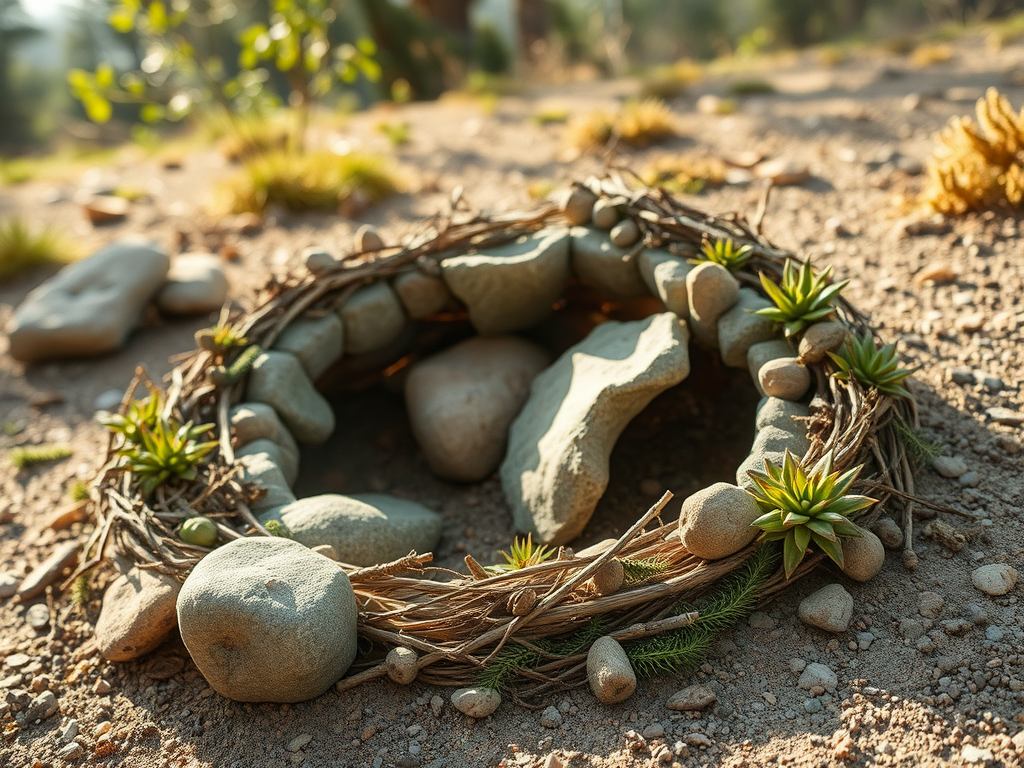
The artist Andy Goldsworthy understands the potential of decay as creation. In his work, particularly in Sheepfolds and Rain Shadows, the natural breakdown of materials isn’t something to avoid — it’s the very tool of expression. His leaf patterns disintegrate, his ice spirals melt. But that’s the point: impermanence is the art.
Here at the National Galleries of Scotland this festival season, Goldsworthy’s vision feels right at home. In a city where August is a blur of performances, installations, and fleeting encounters, his work is a reminder that beauty is often at its height just before it disappears. It makes you want to slow down and look closely — because like the Fringe itself, it won’t be here forever.
Styling Decay: A Top Tip from Nature
Today’s stylists are picking up where nature left off. One top tip from fashion colourists this autumn: choose a nail colour to match a tone of decay — the ochre of rust, the violet of mould, the pale green of lichen on slate. You might find your next palette not in the shops, but on a gravestone, or in the bruised blush of windfallen fruit.
In this high street of impermanence, maybe we’re all just catching up with the foxes.
Final Thought
Decay is not death. It is redistribution, diversity, and sometimes design. From enzymes to urban wildlife, from fungal feet to funeral stones, it reminds us that endings are just beginnings for those who know how to look.
And perhaps that’s the heart of Edinburgh in August — a festival built on moments that appear, transform us, and then dissolve, leaving behind the seeds of the next season’s creativity.
What’s your favourite art you’ve seen at the Fringe this year? Tell us over on Twitter at @SundayFringe — we’d love to share your highlights.
Five other art things to see at the Edinburgh Fringe 2025:
- Summerhall Visual Arts Programme – cutting-edge installations in one of Edinburgh’s most beloved multi-arts spaces.
- Hidden Door Festival Pop-Ups – site-specific works in unexpected city locations, from derelict spaces to hidden courtyards.
- Ingleby Gallery – contemporary exhibitions featuring emerging and established international artists.
- Collective Gallery on Calton Hill – enjoy art with panoramic city views and thought-provoking curation.
- Edinburgh Printmakers – print-focused exhibitions with a community edge, often spotlighting Scottish talent.
 Reviews, views & canapés
Leave a comment