Postcard-Sized, World-Sized: Art, Memory, and Making Together
There’s something quietly radical about making art small.
Not small in ambition — small in scale. A postcard. A rectangle you can hold. Something that travels lightly, crosses borders, lands on a table, or gets pinned to a wall. Something that doesn’t shout, but stays.
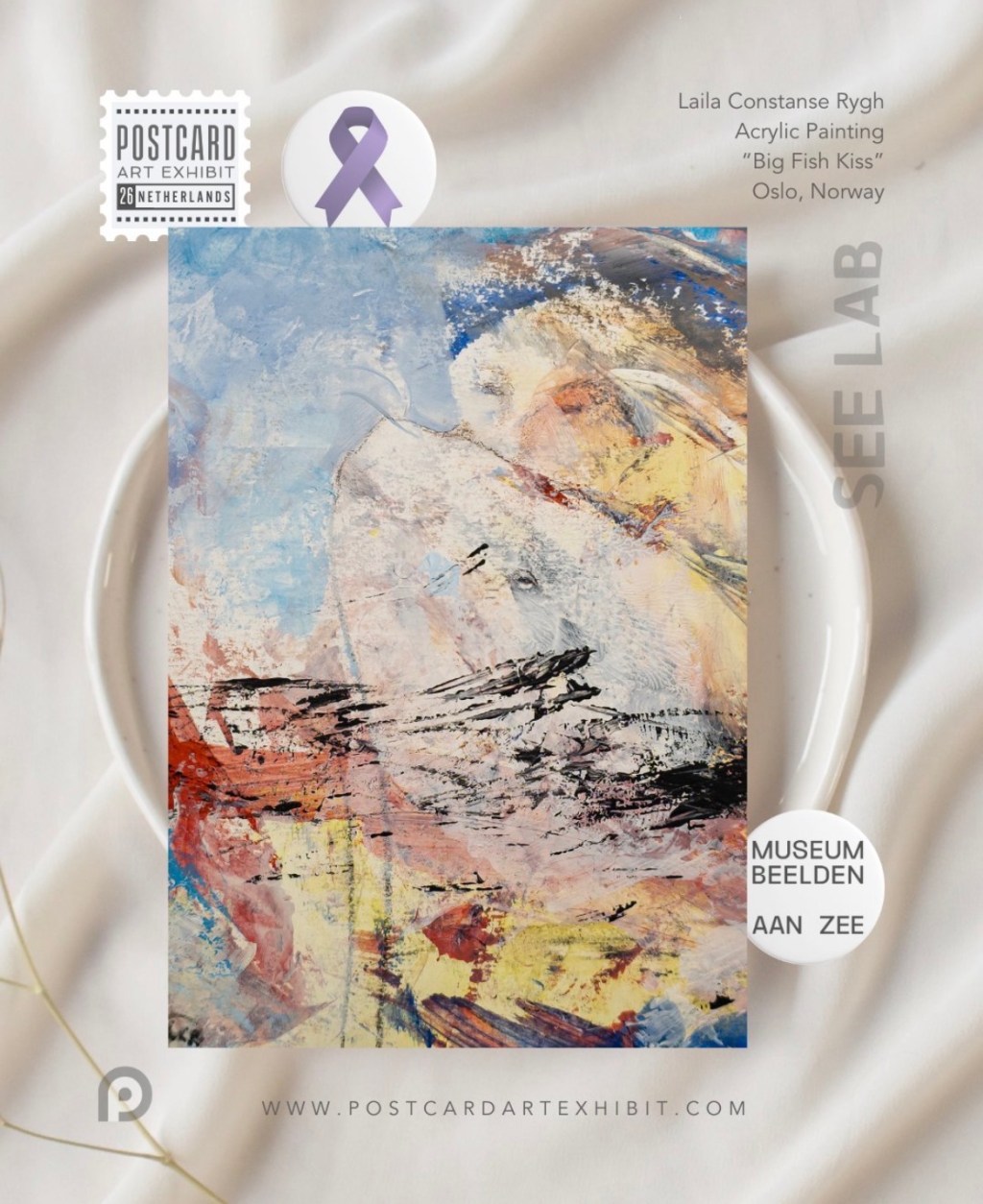
That’s what drew me to the Postcard Art Exhibit — an international, artist-led project that gathers postcard-sized artworks from around the world to support people and families affected by Alzheimer’s. The 2026 exhibition opens in the Netherlands, with work shown in and around Amsterdam and at Museum Beelden aan Zee, supporting the museum’s Blijf-je-Bij programme.
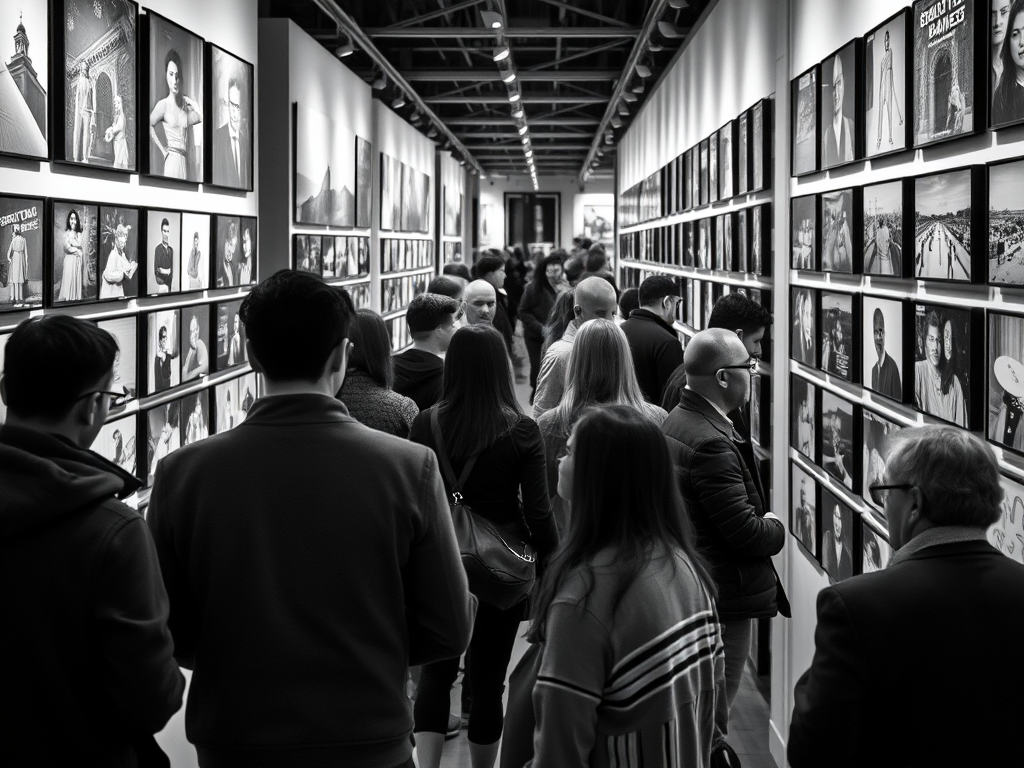
Nearly a thousand artists. Dozens of countries. One shared format.
And somehow, that constraint makes the work bigger.
Art as a shared technology
Social platforms, digital submissions, online calls-out — not as spectacle, but as infrastructure. The tech doesn’t dominate the art; it simply allows people to find each other.
An artist in Oslo. A curator in The Hague. A painter in a kitchen in the Midlands. Someone making marks late at night because that’s when the house is finally still.
Technology here becomes what it should be more often: a bridge, not a filter.
At SundayFringe, we’re always interested in how art circulates — not just where it ends up, but how it moves. This project makes that movement visible. A postcard travels. An image is shared. A story is carried — hand to hand, screen to screen.
The process matters
Postcard works ask a particular kind of attention. You can’t hide in scale. There’s nowhere to over-explain. The surface records every decision.
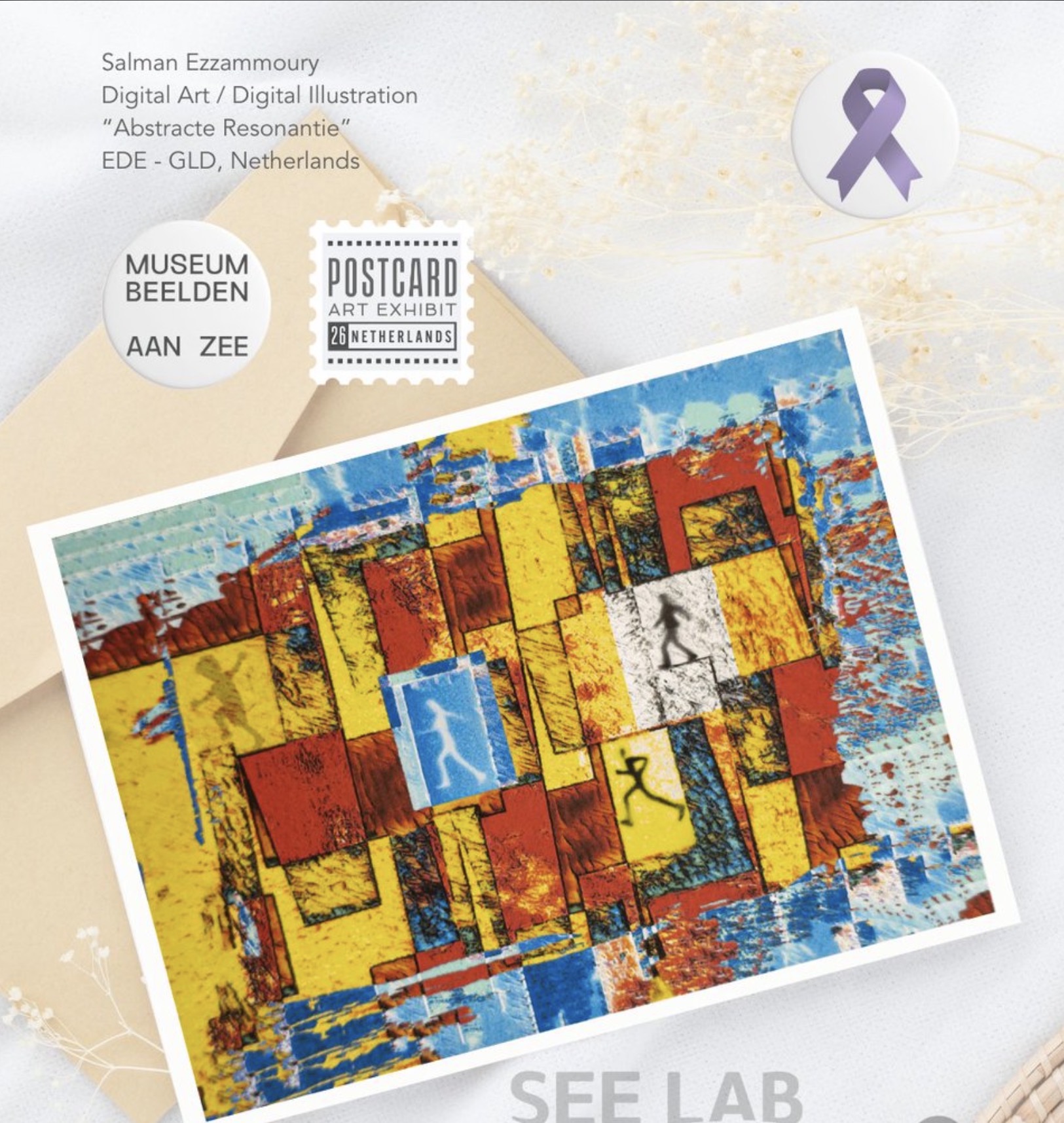
Many of the entries lean into texture: scraped paint, repeated marks, colours laid down and pulled back. You can feel the time in them. You can feel the thinking.
That feels especially right for work connected to memory and care. Alzheimer’s is often talked about in terms of loss, but these pieces quietly insist on process: making, returning, trying again. Staying with something even when it doesn’t resolve.
Art, here, isn’t a finished statement. It’s an act of presence.
Community, without hierarchy
Another thing I admire about the Postcard Art Exhibit is its flatness — in the best sense. There’s no “main” artist and no sidelines. Everyone submits the same size. Everyone takes the same risk.
This kind of structure creates a rare thing in the arts: genuine collectivity without competition. The value isn’t in individual prestige, but in accumulation. The impact comes from being part of a field, not standing above it.
For artists at different stages — emerging, established, returning after a break — that matters.
And for audiences, it matters too. You’re not asked to decode a single authoritative voice. You’re invited to look, linger, and make your own connections.
Why this kind of project matters now
As diagnoses change, as care models evolve, and as our understanding of memory becomes more complex (scientifically and culturally), we need art spaces that can hold uncertainty.
Projects like this don’t try to explain Alzheimer’s. They don’t tidy it up. They create room — for reflection, for conversation, for empathy that isn’t rushed.
They also remind us that making art together is itself a form of care.
At SundayFringe, we’re always excited by work that sits at the meeting point of creativity, community, and quiet innovation. The Postcard Art Exhibit does exactly that — on a small surface, with global reach.
If you’re an artist wondering whether to take part in something like this, consider this your nudge. Sometimes the most meaningful work begins with a simple format and an open invitation.
A postcard. A mark. A moment of attention.
And the knowledge that it will travel.
.
 Reviews, views & canapés
Leave a comment