There’s a detail from the early history of the Warneford Hospital in Oxford that I keep coming back to.
Patients planted apple trees in the grounds.
They tended them through the seasons, watched them fruit, and eventually harvested them. It wasn’t incidental activity, a way of filling time. In the moral treatment philosophy of the 1820s, it was the therapy. The slow, living proof that time passes, that effort yields something, that a self persists through seasons.
I watched a short documentary about the hospital’s two-hundred-year history at an event at Oxford Brookes, followed by a roundtable on green spaces, nature, and mental health. And that image of the apple trees stayed with me all the way home.
The film itself is quietly remarkable.
It traces the Warneford from a small refuge on the edge of Oxford to a major research centre, moving through two centuries of changing ideas about what mental illness is — and what recovery might look like.
Bleeding and purging give way to hydrotherapy. Then insulin therapy and lobotomy. Then chlorpromazine and the pharmaceutical revolution of the 1950s.
Each era believed it had finally found the answer.
The film is too generous to say so plainly. But the cumulative effect is humbling.
What strikes you watching it is how the moral treatment era — so easily dismissed as pre-scientific, even naive — understood something that took psychiatry another century to rediscover.
Structure. Agency. The rhythms of seasonal work. The particular dignity of growing something and watching it live.
These are not soft add-ons to care. The evidence increasingly suggests they are foundational to it.
The discussion that followed brought this into the present with some force.
Deinstitutionalisation dispersed patients into communities that were often not ready to receive them. What was lost wasn’t only beds. It was the scaffolding of daily life — the beehive, the kitchen garden, the shared task that gives a day its shape and a person their place in it.
Organisations like Restore and Elder Stubbs, quietly doing their work in Oxford, have become the custodians of something the hospital once provided directly. The allotment. The structure. The small evidence, renewed each week, that one is still here. Still capable of tending things.
Coming to this as both a researcher in medical humanities and someone who has worked in dementia care, what interests me is the way these practices function as what I’d call biographical anchors — moments and places that allow a person to locate themselves in time.
The person who tends the bees knows who they are, partly through that relationship.
The continuity isn’t only therapeutic. It’s ontological. It speaks to something deeper than symptom management. It speaks to personhood itself.
And here’s what moved me most about the evening.
The Warneford is currently building a recovery garden as part of its new development.
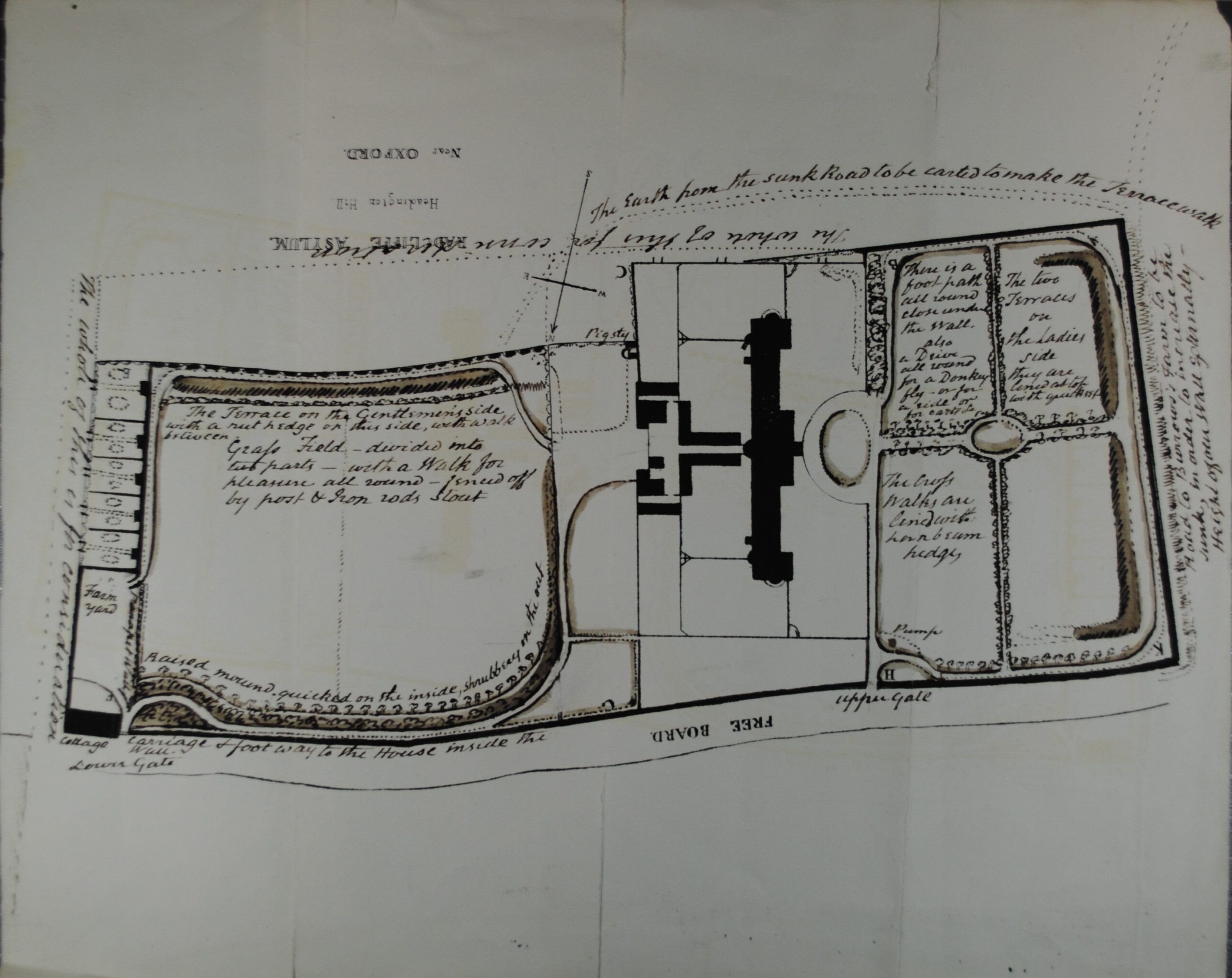
It will be sited on the grounds where patients once gardened.
The original planting markers — the physical memory of the land — are being woven into the new design.
This is not heritage decoration. It is not nostalgia.
It is the institution returning to its own deepest knowledge. The land remembering what the policy briefly forgot.
Two hundred years. And the apple trees, in some sense, are still there.
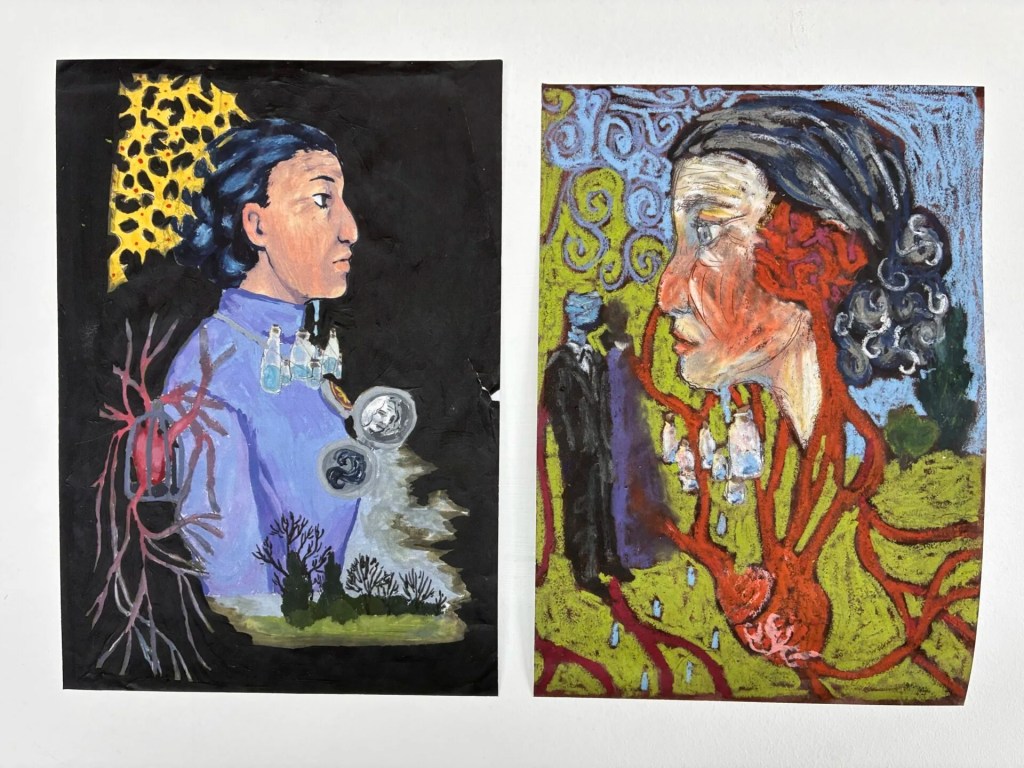
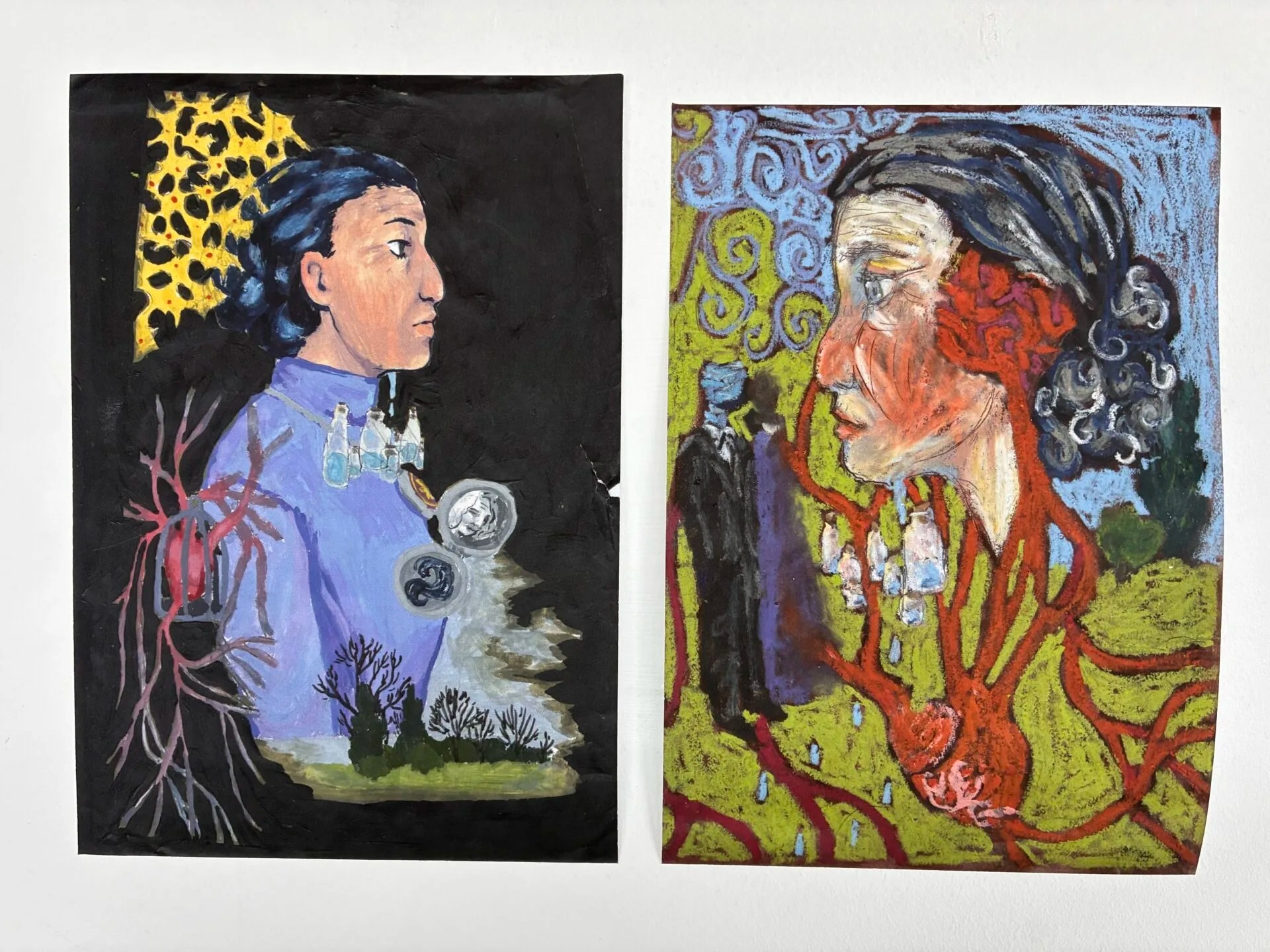
Work from Oxford Brookes Art Show (below) is part of the year of events linked to Warneford 200. If you want to find out more about the Warneford 200 project, the recovery garden, or the work of Restore and Elder Stubbs in Oxford click here


Leave a comment