Six shows for the last days of August — and the people we might be by September
There is something about the last week of August that makes identity feel slightly negotiable.

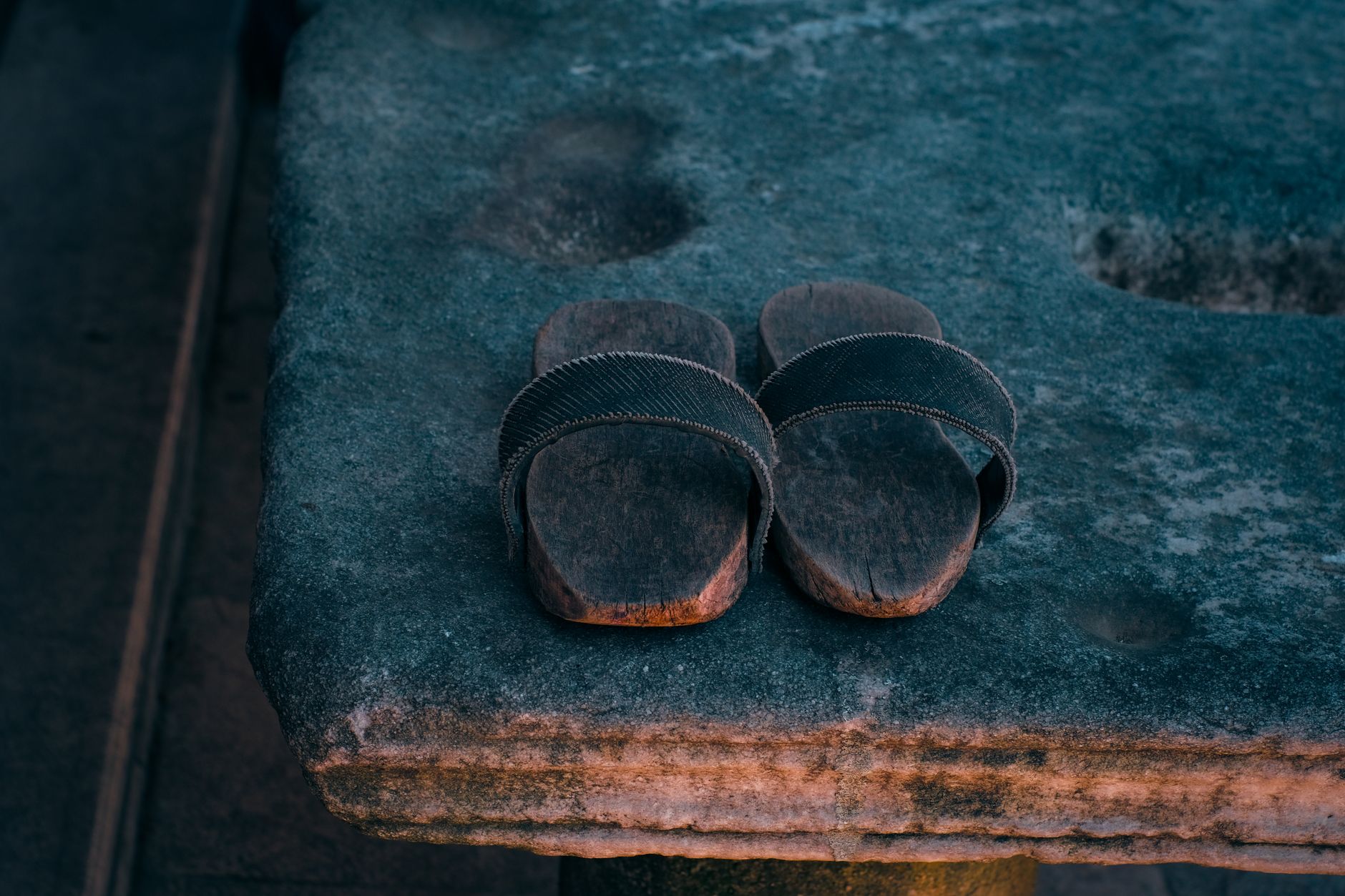
We have worn the summer version of ourselves for long enough. The sandals are wet. The optimistic linen has proved no match for Edinburgh rain. September is visible just over the hill with its new notebooks and unreasonable expectations.
And at the Fringe, people are still walking into small dark rooms and trying out other ways of being.
Perhaps that is theatre’s oldest pleasure. For an hour, somebody can say: suppose I were this person instead? More interestingly, sometimes they ask: suppose the person I thought I was isn’t quite me any more?
A handful of shows already running at C venues approach that question from wonderfully different directions.
@Jenna starts with the archaeological evidence of a self: childhood diaries, home videos, digital traces. Winnie Stack revisits a queer awakening through the material we accidentally leave behind while becoming ourselves. There is something both funny and unnerving about encountering the person who once wrote your diary. She knows everything about you up to a certain date. After that, she’s relying on spoilers.
Little Pink Dress has another object waiting in the past. Moving between casting-room glare and the more dreamlike territory of a cruising bar, the show folds memory, family and performance around the rediscovery of the dress of its title. Clothes are particularly good at this. A song can take you back; a dress can make the old body briefly present inside the new one.
Then there is A Head Full of Bees, where the performance of being all right becomes part of the story. Lola has been getting on with being a mother, salon owner and functioning human being while privately attempting to understand the considerably less orderly production taking place inside her head. Character comedy, music and puppetry meet neurodivergence here, with the possibility that the destination isn’t becoming less strange but becoming rather more comfortable with the strange you already are.
Emoji takes the problem out of the dressing room and puts it on the phone. We have acquired an extraordinary visual vocabulary for presenting ourselves: hearts, flames, tears, thumbs, aubergines and the tiny yellow face that can apparently rescue a sentence from emotional catastrophe. Are emojis a new universal language, or just another elaborate method of misunderstanding each other? Somewhere tonight, a relationship will probably depend upon whether somebody intended that particular smiley face ironically.
And then money walks in.
In Paywall, Lizzy wants to be an investigative journalist, the sort who exposes bullies and makes trouble for the right people. Unfortunately, she is also 27, working two jobs, paying London rent and facing a return to her father’s house. It’s difficult to become your destined self when your destined self cannot afford the deposit.
That gives this group of shows a useful sharp edge. Reinvention is one of the great promises of contemporary life: change career, find yourself, make the work, tell your story. But reinvention requires resources. Time is a resource. A room is a resource. Money is certainly a resource.
Brick takes us somewhere darker still. A young man sits in a police cell after throwing a brick at a queer-rights protest, with grief, loneliness, politics, attraction and anger tangled together. The interesting question becomes not simply who are you? but who have you allowed yourself to become?
And perhaps that’s why these shows belong together.
We talk about finding ourselves as though somewhere underneath the jobs, families, phones, desires and mistakes there is a pristine little person waiting patiently to be discovered.
Theatre rarely believes that.
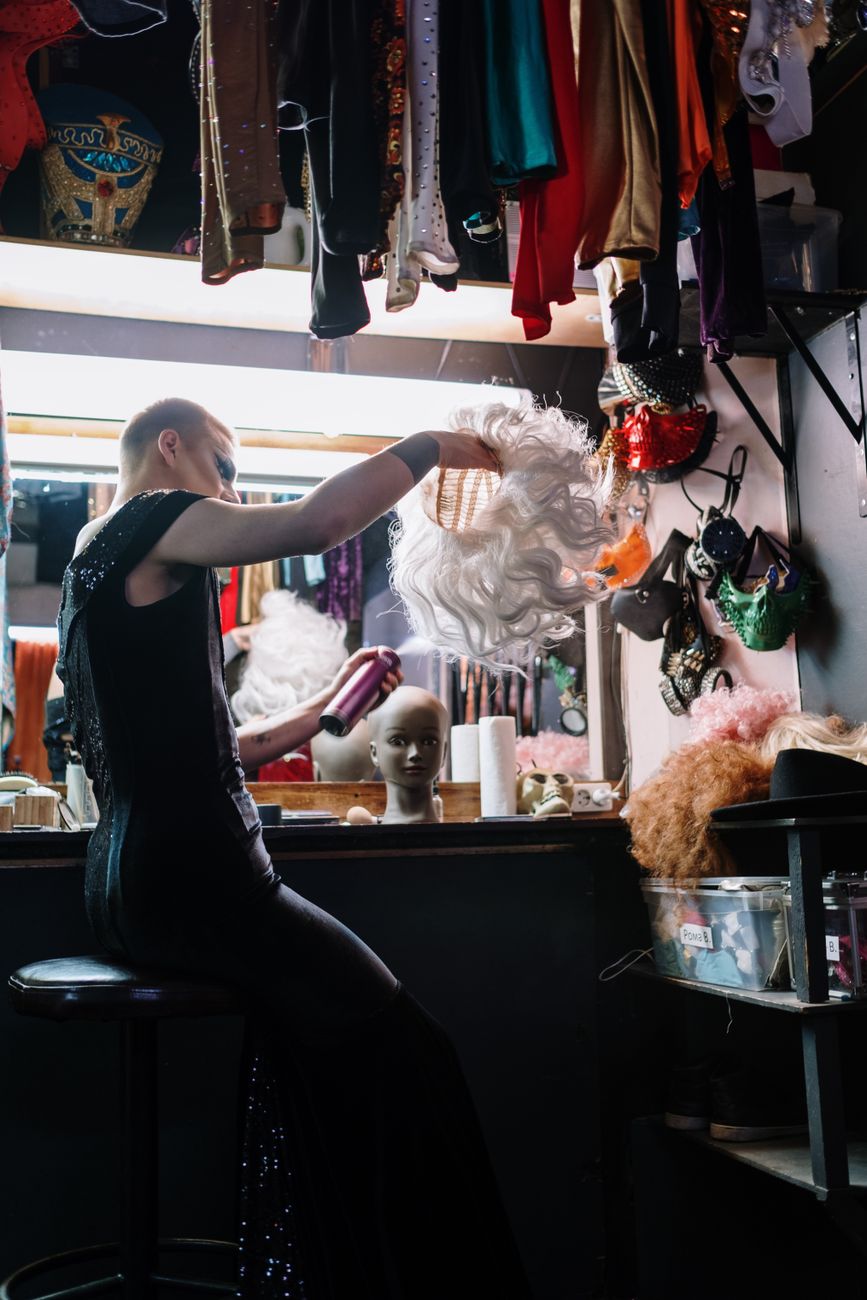
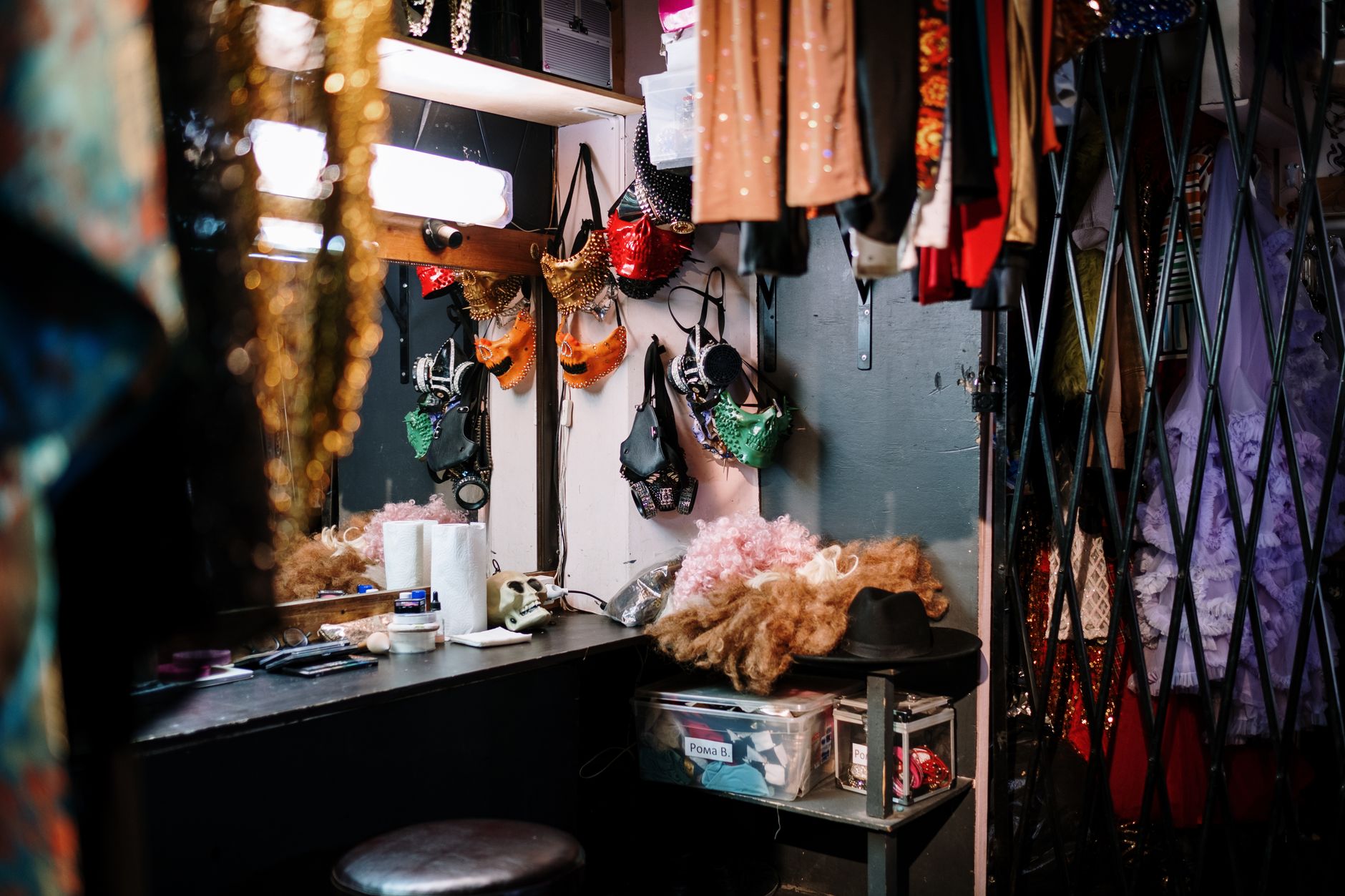
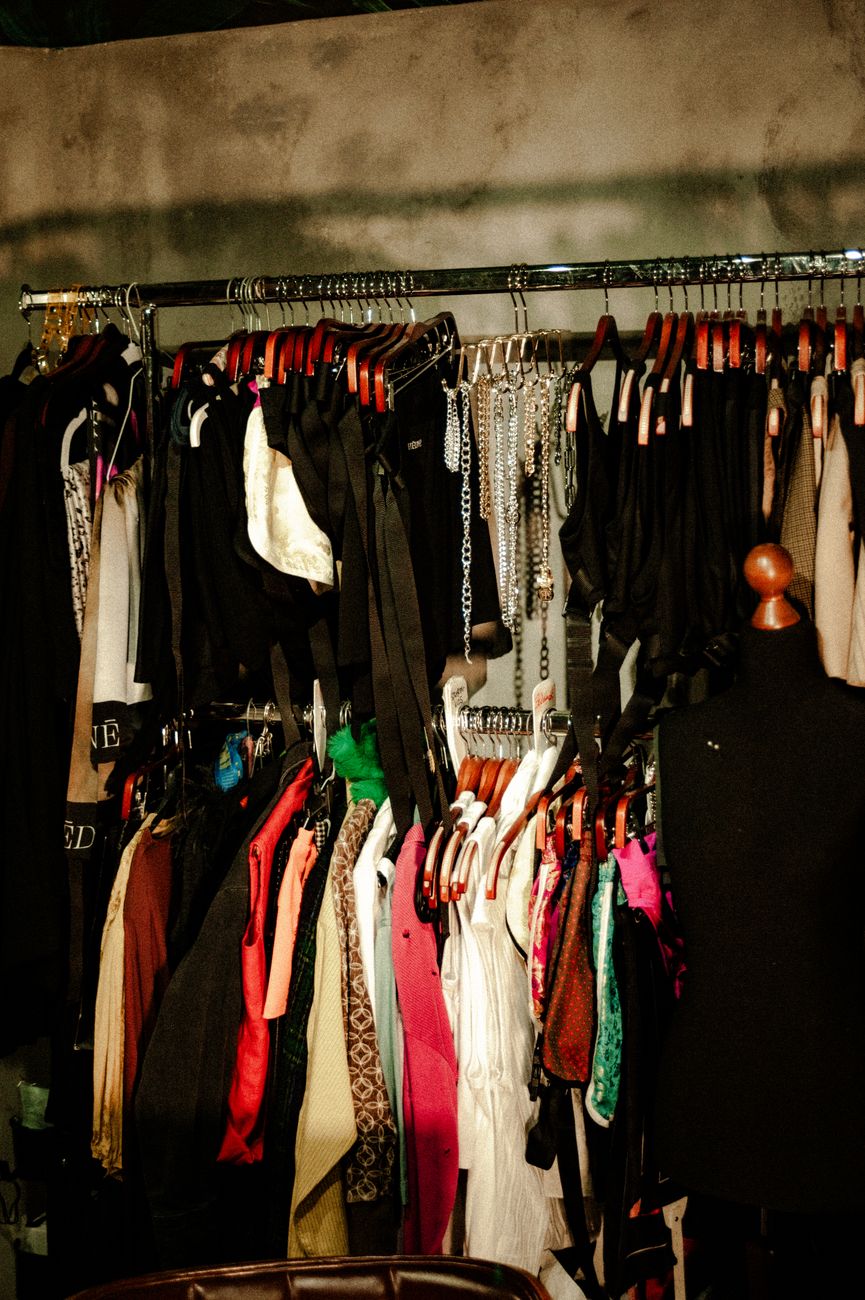
Theatre gives us dressing rooms.
Child. Lover. Worker. Daughter. Mother. Activist. Outsider. The person online. The person who comes home afterwards. Some selves fit beautifully. Some pinch under the arms. Some were chosen for us years ago and we have simply forgotten that we’re allowed to take them off.
The Fringe itself is one enormous dressing room for this. People arrive with a show, a biography and an idea of what kind of artist they are. Then Edinburgh happens to them.
Three weeks later, perhaps the show has changed.
Perhaps they have too.
So before September arrives with its suspiciously clean pages, there might be a better question than Who am I?
Which version of myself would I like to take with me?
And which one can stay behind with the wet sandals?
SundayFringe continues every Sunday at 10am on Twitter/X — a quiet hour for sharing and discovering art, theatre, writing, photography, craft and whatever else people are making. Follow #SundayFringe, bring something of your own or simply come and see what others have been creating. Everyone is welcome.


Leave a Reply