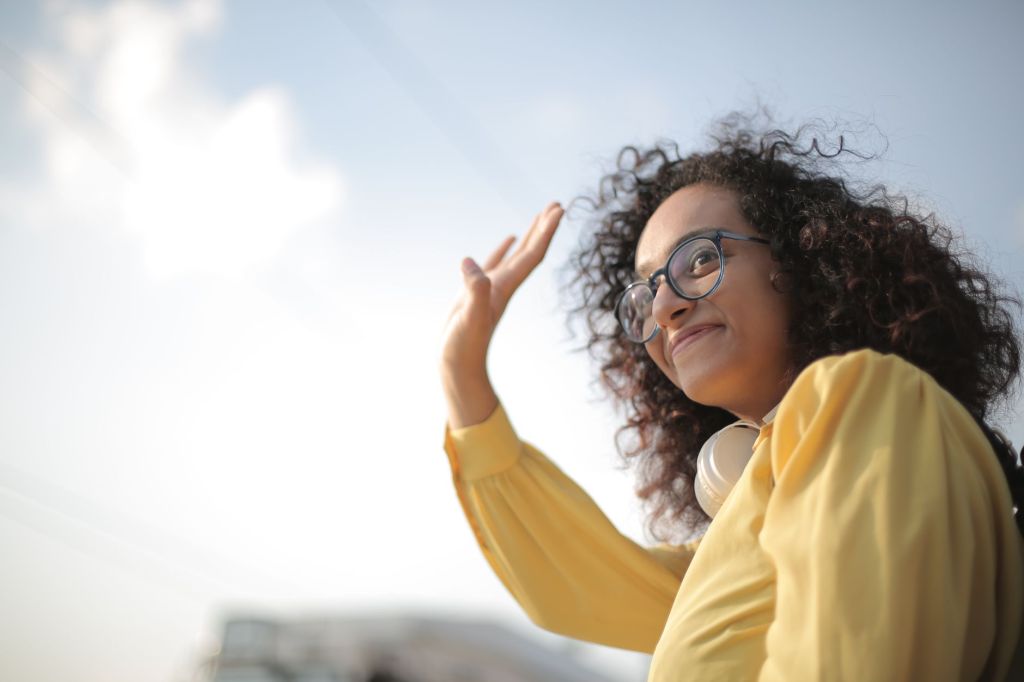
Sometimes someone comes back to us.
Perhaps only for a moment. A look changes, a familiar voice reaches them, there is a response we recognise. Then the moment passes.
This was the starting point for an article of mine recently published in Medical Humanities. It considers what I call “visiting recognition”: recognition that isn’t always there, but seems to come and go. I
I use the idea of a palimpsest — something written and rewritten while traces of earlier layers remain — as a way of thinking about this.
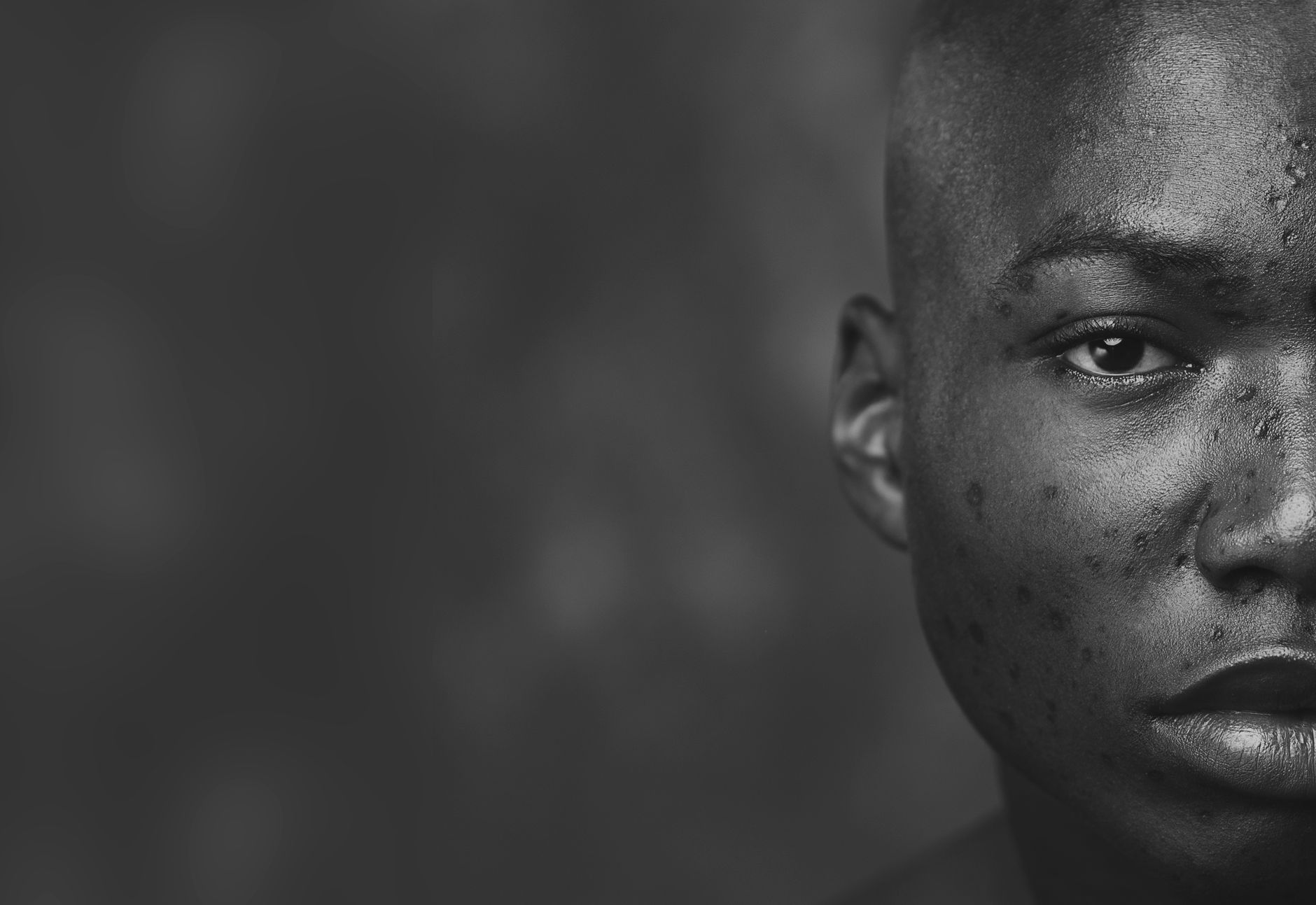
It asks, how do we think about the person who remains?
A life contains relationships, experiences and ways of knowing other people that have built up over time. What cannot be shown to us all the time still matters.

It is a medical humanities paper, but these aren’t questions that belong only to medicine. They belong to families and friends,, to anyone who has waited for a look or a word and wondered what it meant. They are questions about attention, presence and memory — about how we stay with one another when the usual ways of knowing someone have changed.
And perhaps there is something worth holding onto in that. Recognition doesn’t always have to stay to have happened. A moment can still be a meeting.
“Visiting recognition: a palimpsest model of personhood at the threshold of death” is published in Medical Humanities.
The paper considers personhood as something layered: shaped by memory, relationship and a life lived with others. It asks whether moments of recognition might be understood within those continuing layers, rather than simply as evidence of something being present or absent.
Read the article
I hope it adds, quietly, to the conversation about how we recognise and remain alongside one another towards the end of life.
The article is available to read here:
http://mh.bmj.com/cgi/rapidpdf/medhum-2026-013922?ijkey=bsEeQ0L7xqVlUuZ&keytype=
#MedicalHumanities #Personhood #EndOfLifeCare


Leave a comment