
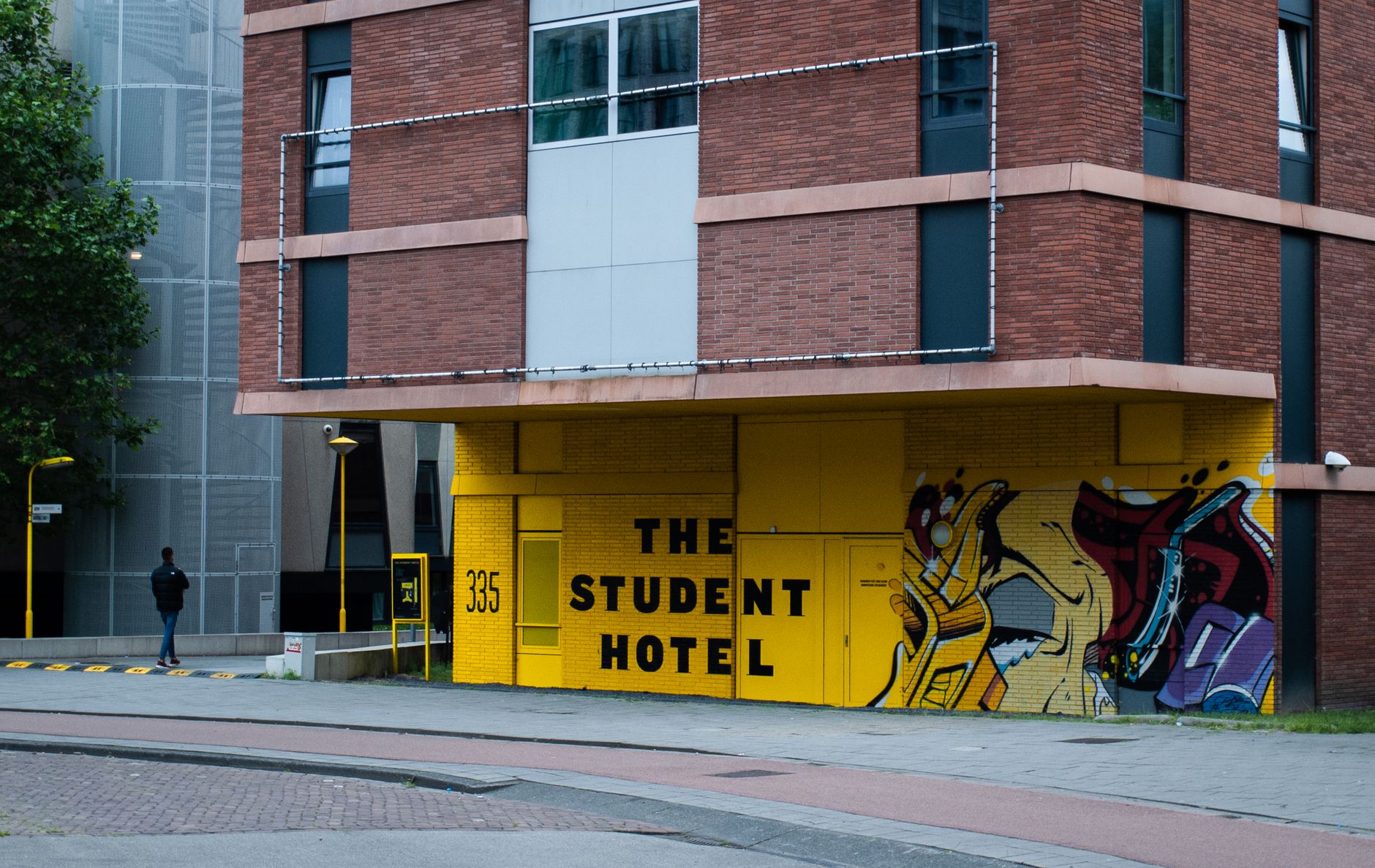
New figures reported by the BBC suggest that 44.6% of UK 18-year-old applicants considered living at home for at least one of their university choices in 2026. Last year, nearly one in three accepted applicants intended to stay at home, compared with just over one in five a decade earlier. For drama students, this can be practical—even protective. Remaining with family may mean less debt, fewer shifts behind a bar and more energy for rehearsal. But many drama schools are concentrated in London and other expensive cities. “Staying home” is therefore not equally available to everyone, and choosing a school increasingly begins not with the course, but with the postcode. UCAS data
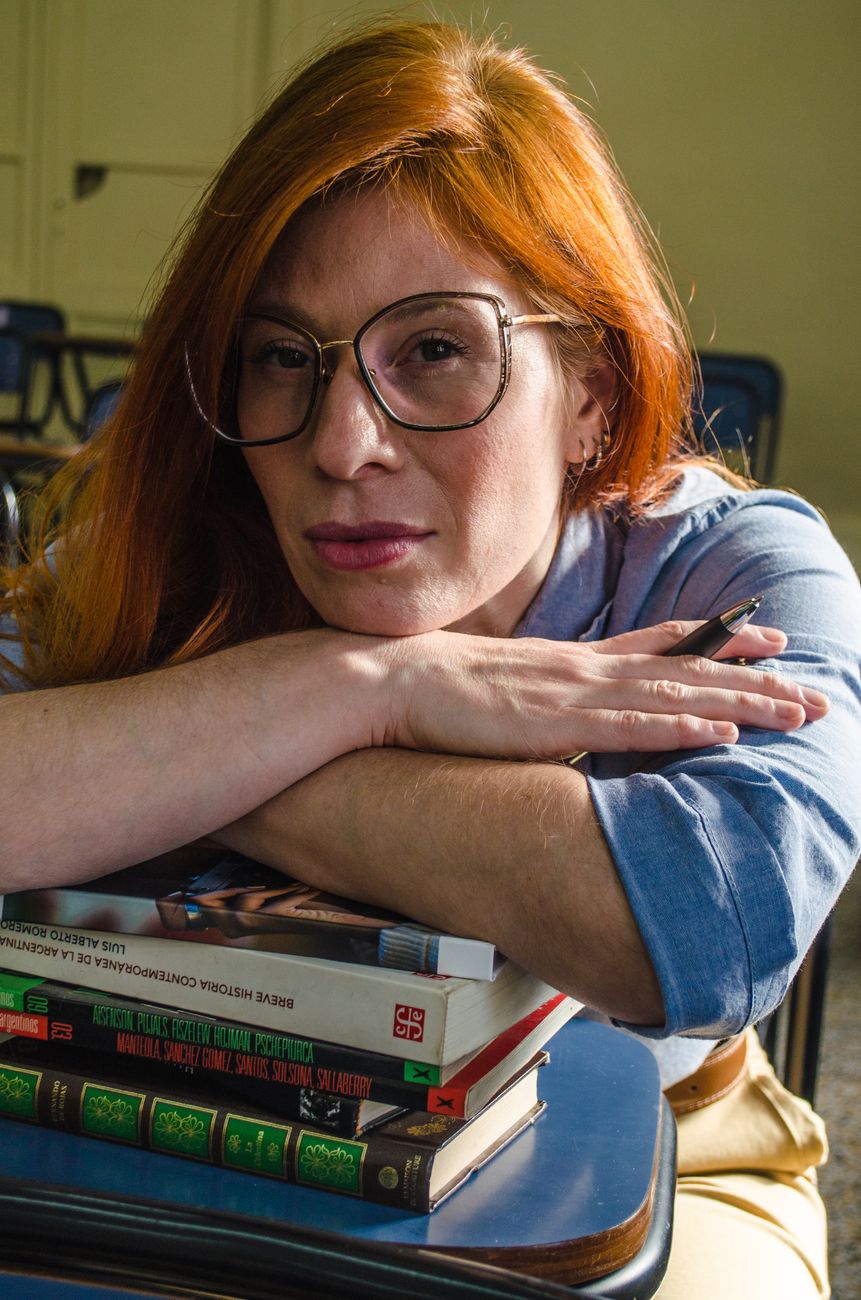
Theatre, however, is made from what happens beyond the timetable. Jack Rooke’s Big Boys grows from the strange intimacy of university life: bereavement carried into a new household, sexuality discovered among people who were strangers a term earlier. Educating Rita depends on education opening a door between one social world and another, while Tyrell Williams’ Red Pitch finds drama in the opposite pull—the friendships and local places that make leaving complicated. None offers a simple advertisement for “going away”. Together, though, they show how writing develops when a person encounters another way of living, whether by crossing a city, entering a classroom or sharing space with people they would never otherwise have met.
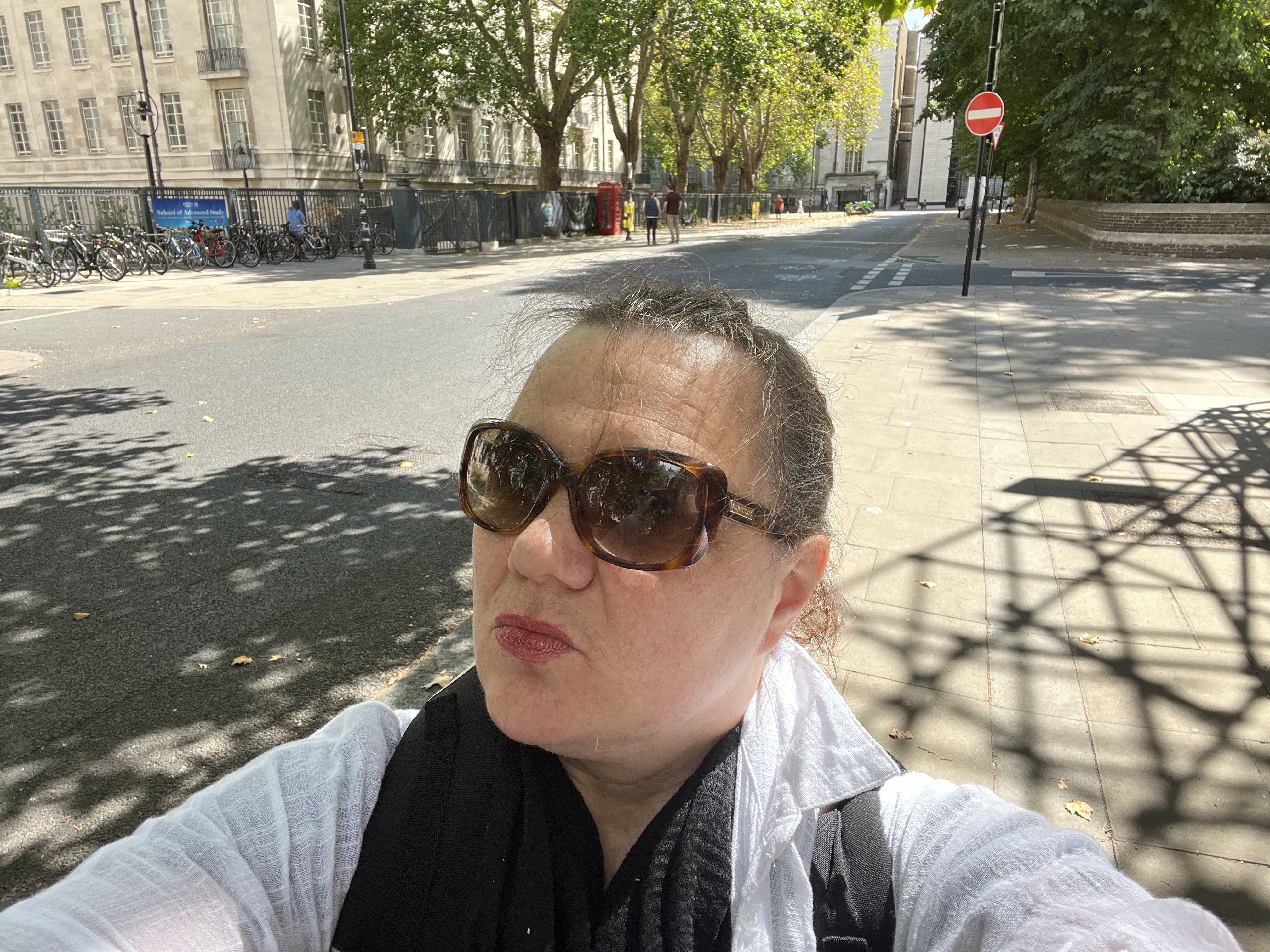
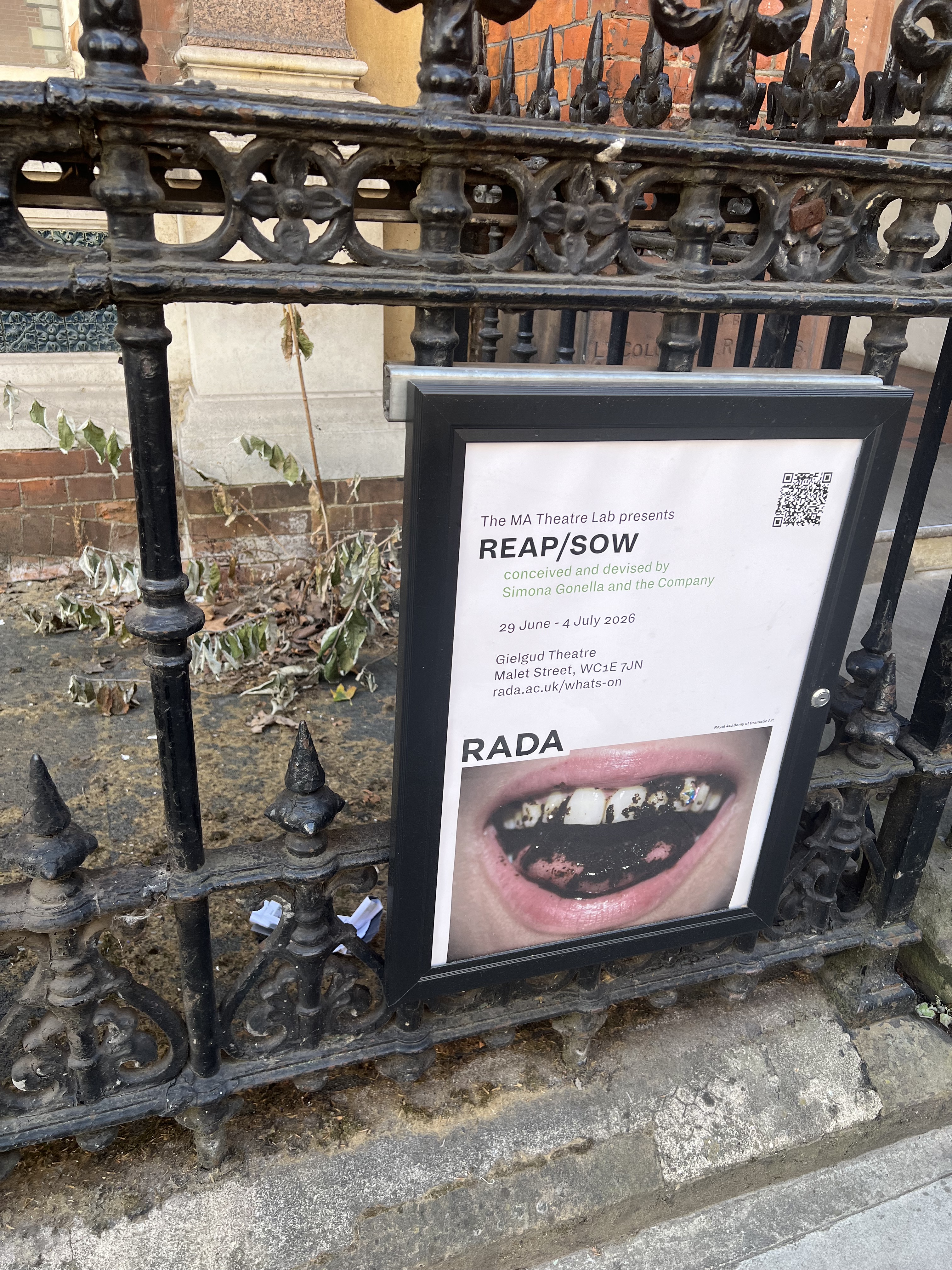
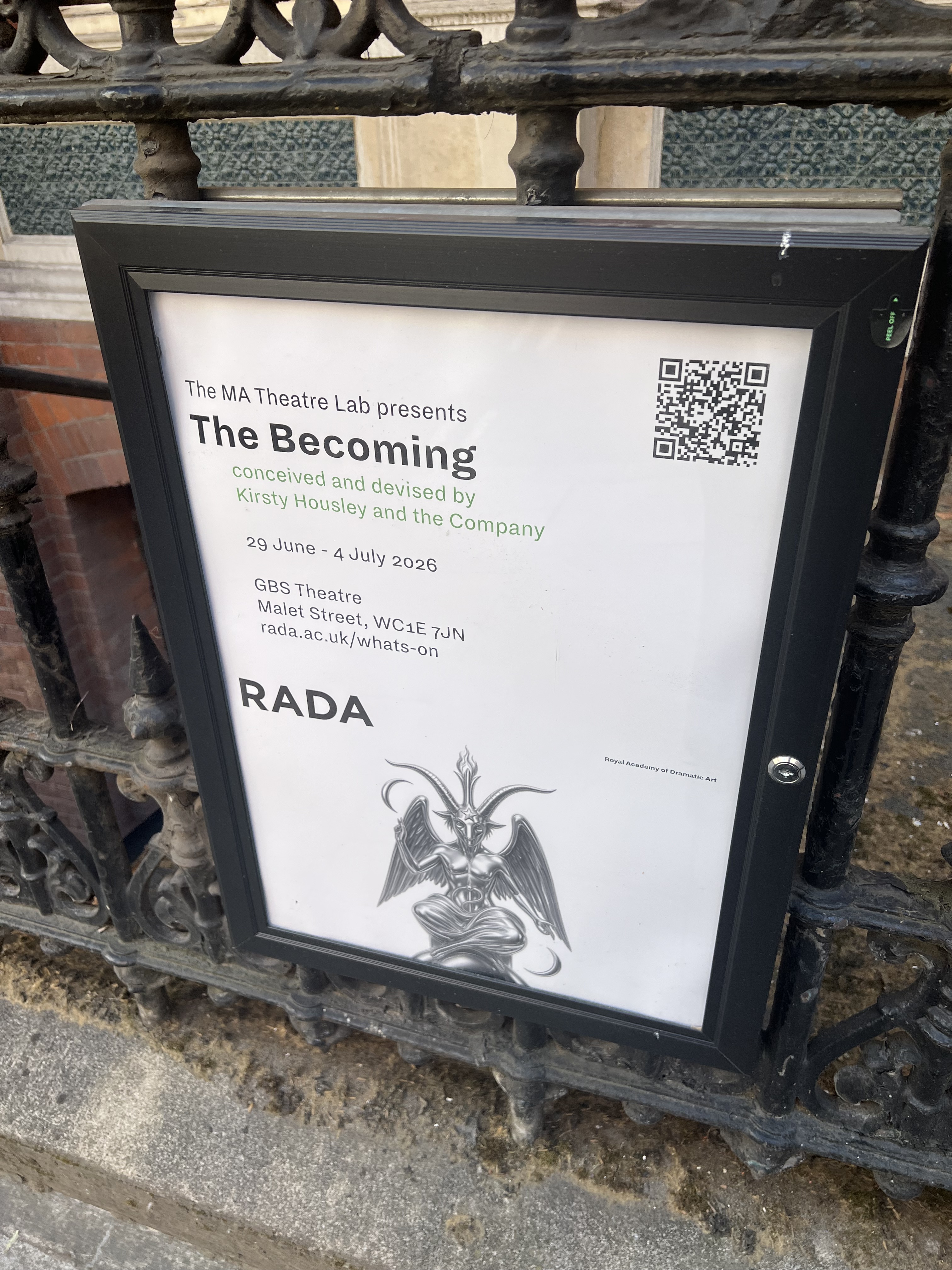
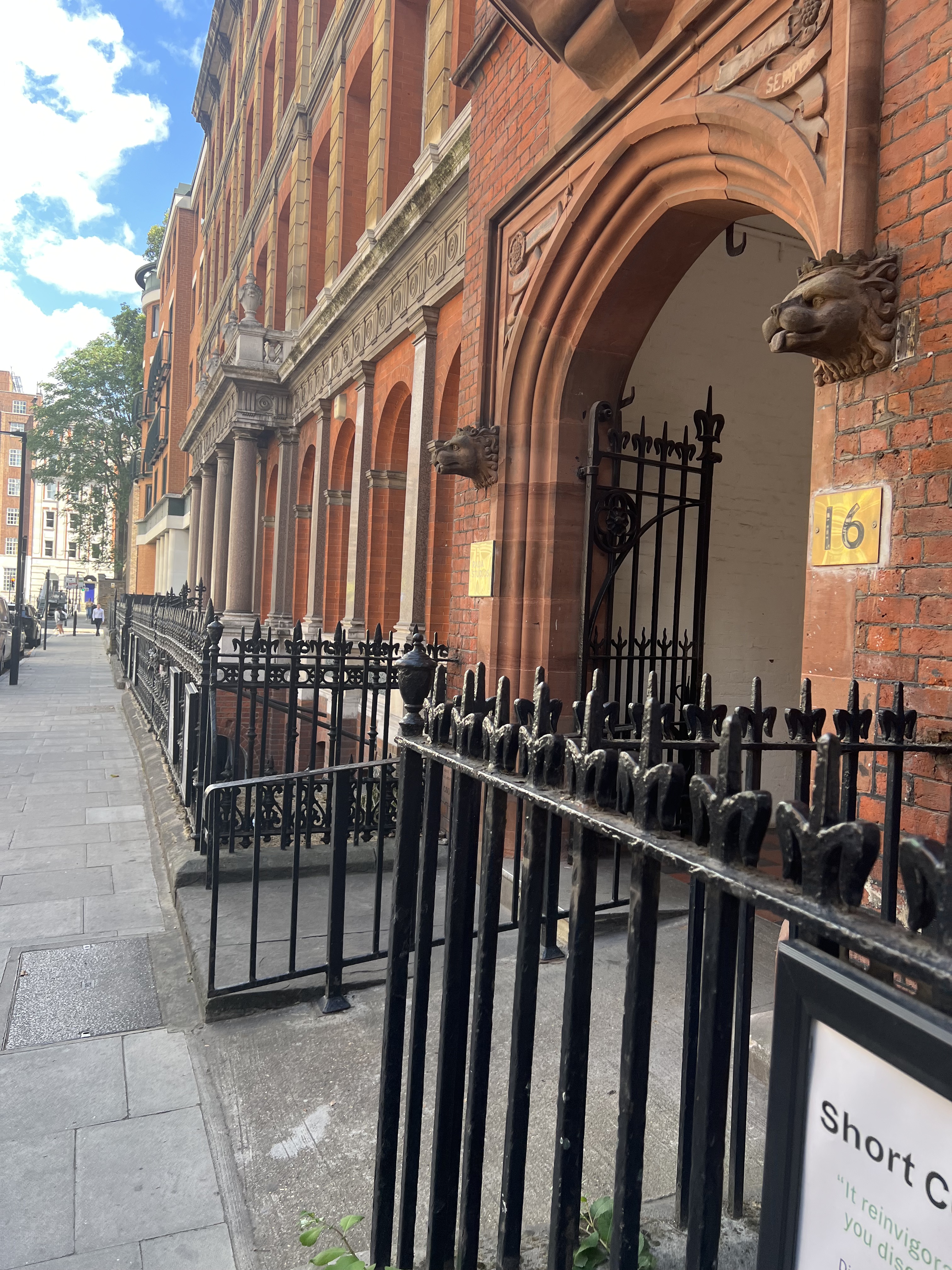
Passing RADA recently, I photographed posters for its company-devised productions REAP/SOW and The Becoming, alongside its graduate costume and production exhibition. They seemed to make the point quietly: drama training is not only knowledge delivered to individual students. It is voices, bodies and imaginations placed in a room long enough to alter one another.
Much of what gets called reflection or critical writing in the humanities is usually imagined as something that happens afterwards. For example – an essay written about a play, a thesis considering a movement once it has settled into history. But in drama and the creative arts, that reflective work often happens while the piece is still being made, by people who are still becoming the artists who will eventually make sense of it.
A devised production like REAP/SOW isn’t reducible to a script one person wrote and others interpreted; its writing, in the fullest sense, happens in rehearsal rooms, in disagreement, in bodies trying things and failing and trying again. The posters and costume displays I photographed are the visible remainder of that process — but the real humanities work took place earlier and mostly out of view, in notebooks, in devising sessions, in the arguments that shape a scene long before it has any fixed form.
Living at home should remain a genuine and respected choice. But if financial pressure makes it the only possible choice — particularly for students from poorer households — we may save them the rent while denying them some of the disorder, independence and unexpected human material from which theatre is made. The danger is not that tomorrow’s artists will have nothing to say. It is that only the better-off will be given enough room to discover how they want to say it.


Leave a Reply