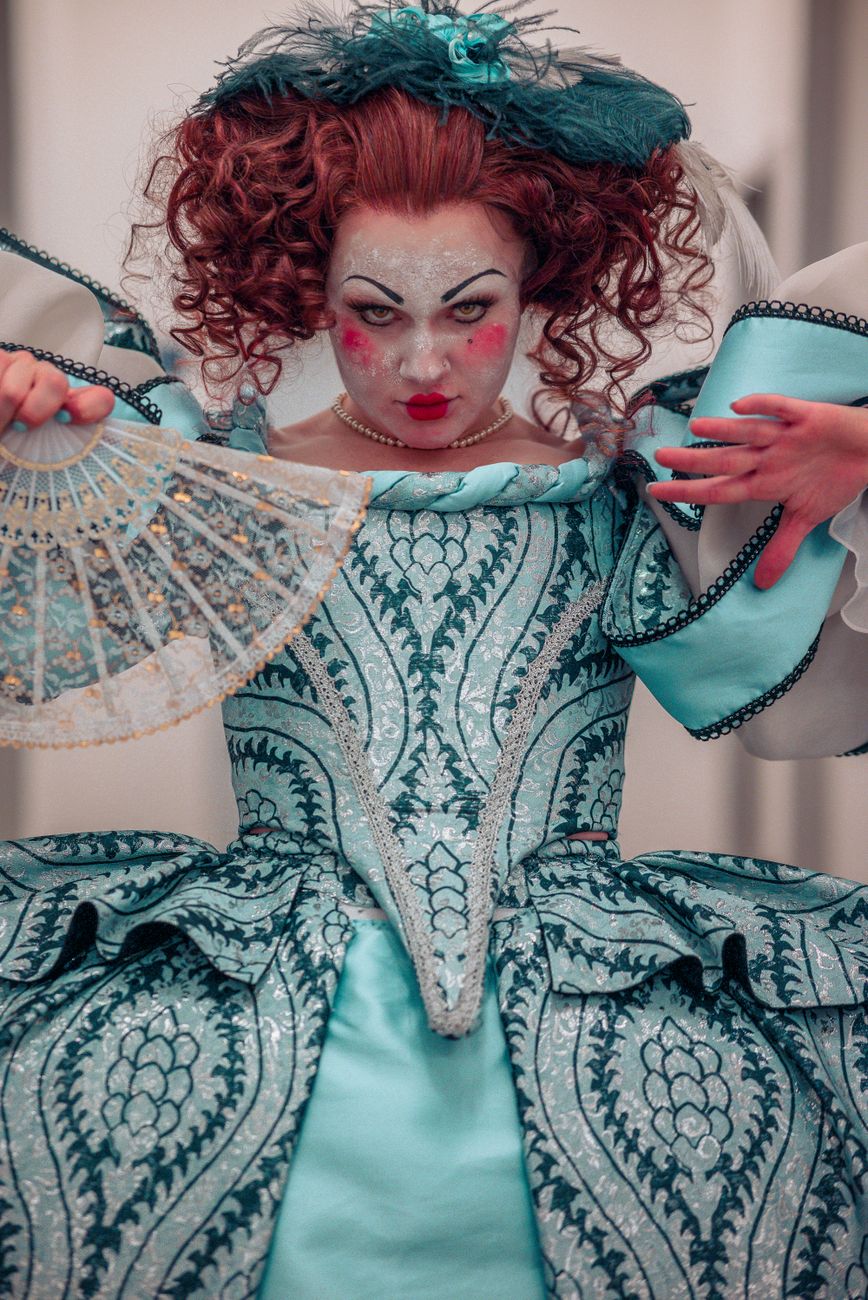

It may still be August, but beauty has already started opening the door to Christmas — very slowly, naturally. The 2026 advent calendars are becoming less a box of products than a little seasonal performance. Space NK is building anticipation through a timed waitlist and early-access queue; John Lewis has gone for abundance, with 41 products and hidden golden-ticket prizes. Liberty has already closed pre-orders and opens general sale on 2 September, while British Vogue has perhaps taken the idea furthest: its £355 calendar is a travel-trunk-like object containing 28 full-sized fashion, beauty and wellness pieces worth more than £1,680. Each is selling value, certainly, but also access — a daily invitation to discover what its editors and buyers think is worth knowing. (Space NK)
Theatre understood this pleasure of discovery long before anyone put a serum behind a cardboard door. In the 1970s, Joint Stock developed work through company research and workshops: the eventual play was the result of an unfolding collective enquiry rather than simply a finished object handed down on day one. Shared Experience, later, made something similarly alive out of familiar literary material — Jane Eyre, The Mill on the Floss, A Doll’s House, War and Peace — inviting audiences to encounter an old story as something happening urgently in the present. And Sarah Millican’s Christmas #JoinIn took seasonal storytelling somewhere else again: the audience space itself became the event. Different forms, different decades, but the same enticing proposition: come back; there is another bit to discover.

Perhaps that is why the advent calendar suddenly feels more interesting than straightforward Christmas merchandising. The best theatre marketing works in much the same way. A season appears; then an image; then a title; then casting; then a tantalising sentence about the play. By opening night we haven’t simply bought a ticket — we’ve had a small relationship with the thing becoming itself. Beauty is increasingly offering that same unboxing of an idea. Space NK lets its selection tell us what it thinks is exciting now; John Lewis turns its enormous beauty hall into 25 days of personal recommendations; Liberty turns the authority of its Beauty Hall into discovery; and Vogue goes furthest in revealing the editorial room itself.
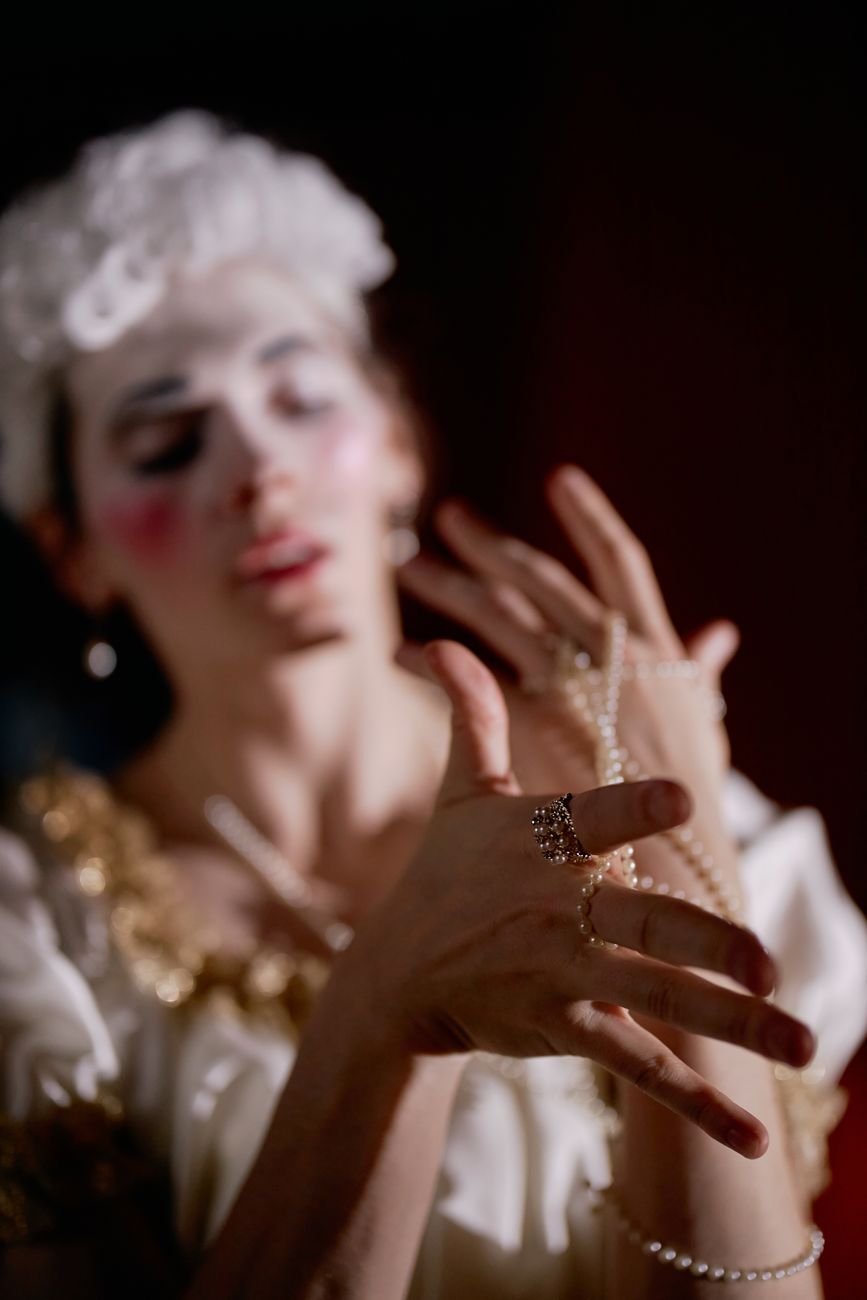
And then, of course, there is the original Christmas unboxing: theatre. This winter the London Palladiumunwraps Cinderella, with Dawn French and Jennifer Saunders as the Ugly Sisters and Julian Clary as Fairy Godfather — Clary arriving fresh from his first Edinburgh Fringe run in 17 years with Fully Dilated. (Julian Clary) Away from West End wattage, regional theatre makes the ritual its own: Oxford Playhouse is creating Snow White for its 2026 pantomime, while downstairs at the intimate Burton Taylor Studio, Little Robin Red Vest offers a smaller-scale Christmas story from 2 December into the New Year. (Oxford Playhouse) Perhaps that is the real charm of seasonal culture: from a Palladium star entrance to a tiny story unfolding a few feet from its audience, we don’t simply consume Christmas — we unwrap it together, one performance, story and little door at a time.

And maybe that’s the sparkle hidden underneath all the sparkle. Seasons give us permission to mark time together. An advent door, a pantomime, a Christmas story, a December hashtag — each creates a tiny appointment between maker and audience. We return tomorrow because something hasn’t been revealed yet. In a shopping culture obsessed with speed, that is an unexpectedly theatrical luxury: don’t show us everything at once. Give us a door. Let us open it. And perhaps, behind it, let us discover not only another product but a little more of who you are.



Leave a Reply